
Retainers 101: Everything You Need to Know After Braces
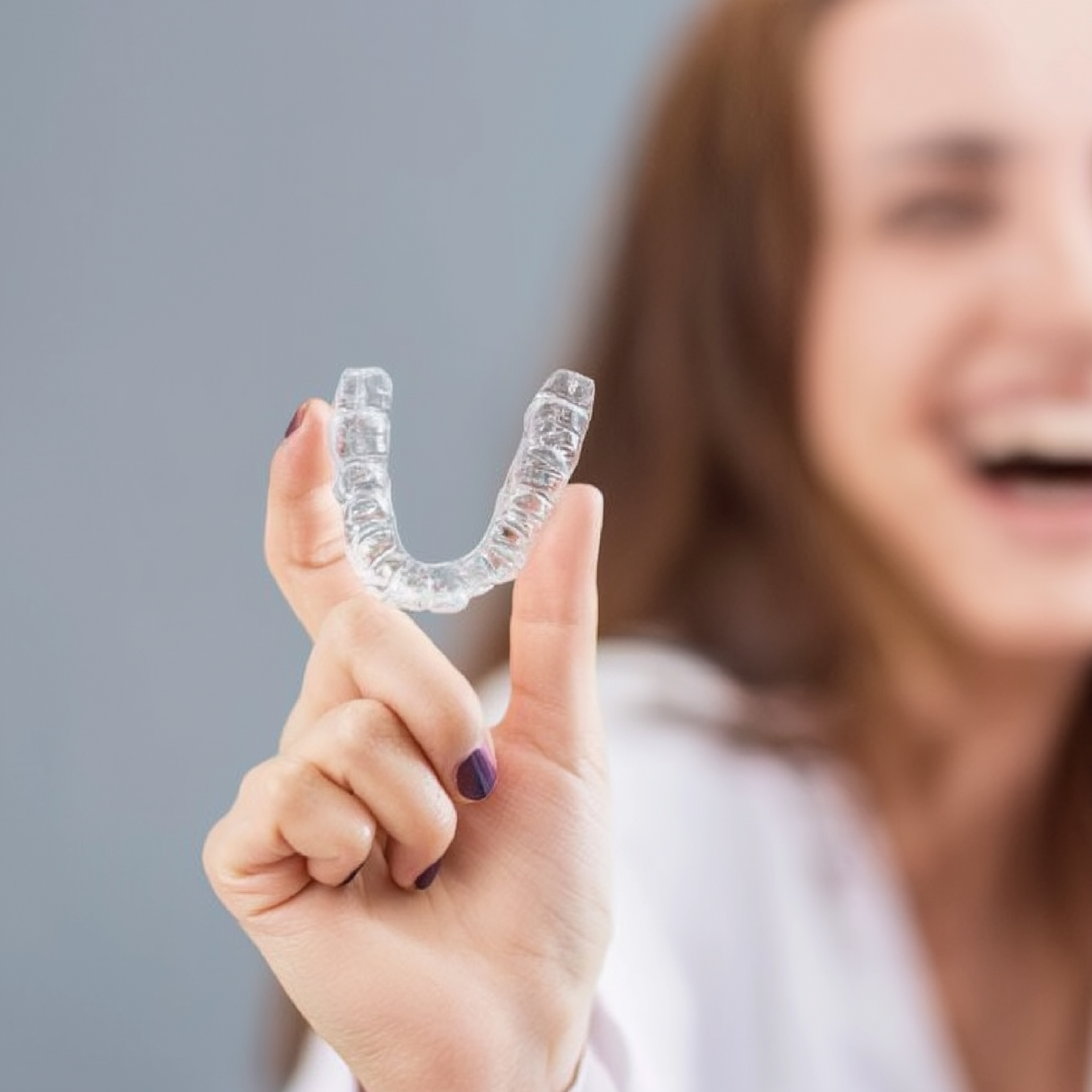
Wertz Orthodontics shares tips for wearing, cleaning, and caring for retainers
Table of Contents
Introduction
Meet Dr. Wertz
Why Retainers Matter After Braces and Aligners
Types of Retainers
How Long Do I Have to Wear My Retainers
Retainer Wear Schedule: What to Expect
Retainer Care Basics
How Do I Clean Retainers
Denture Cleaner for Retainers: Is It Safe
What to Avoid With Retainers
Retainers and Real Life: Eating, Sports, and Travel
Pro Tips: Keeping Retainers Safe and Clean
Top Picks: Our Retainer Must-Haves
Patient Spotlight
Why Choose Wertz Orthodontics
Conclusion
Frequently Asked Questions
Introduction
Finishing braces or clear aligners is a big moment. Your teeth look straighter, your bite feels better, and you finally get to enjoy the smile you worked for. But there is one truth most people do not hear enough: the real key to keeping your results is what happens next.
That is where retainers come in.Retainers protect your investment. They keep your teeth in place. They mean the difference between enjoying your smile for years or watching it shift back. At Wertz Orthodontics, we want retention to feel simple, not stressful. Our team is led by Dr. Robert Wertz, and we serve patients across our three Pennsylvania locations in Lebanon, Robesonia, and Hershey. With 45+ years of creating beautiful smiles, we have seen every retainer question you can imagine, from "How long do I have to wear my retainers?" to "Can I use denture cleaner for retainers?" to the classic, "I lost my retainer...now what?"
In this guide, we are breaking down everything you need to know about retainers after braces or Invisalign: types of retainers, wear schedules, retainer care, how to clean retainers, what to avoid, and what to do if something goes wrong. The goal is simple: help you keep your smile stable, confident, and protected.
Teeth naturally want to shift. Retainers are not optional if you want long-term orthodontic success.
Meet Dr. Wertz
At Wertz Orthodontics, Dr. Robert Wertz brings a steady, experienced approach to orthodontic care with one clear focus: creating results that last. With decades of specialized orthodontic experience, Dr. Wertz is known for building treatment plans that are not just about straight teeth today, but about stability and function for years to come.
Retention is a major part of that philosophy. Dr. Wertz is intentional about making sure patients understand the purpose of retainers, how to wear them correctly, and how to care for them so results stay protected. When patients leave our office, we want them to feel confident, prepared, and supported.
Why Retainers Matter After Braces and Aligners
Orthodontic treatment moves teeth through changes in bone and tissue. Even when treatment ends, your mouth is still adapting.
Teeth can shift for several reasons:
- Gums and bone need time to stabilize around the new positions
- Bite forces change as alignment improves
- Natural aging can cause slow tooth movement
- Habits (like clenching) can influence shifting over time
Retainers hold teeth in their new positions while the foundation stabilizes. Think of retainers like the "lock" on the result you just achieved. If you skip retainers, teeth can drift faster than most people expect, especially in the first year after treatment.
Types of Retainers
There are a few common retainer types. The best one depends on your case and our recommendation.
1) Clear removable retainers (Essix-style)
These look like clear trays and fit snugly over teeth.
- Very discreet
- Easy to wear
- Easy to store in a case
- Must be cleaned properly to avoid cloudiness or odor
2) Hawley retainers
These include a thin wire across the front teeth and an acrylic base.
- Durable
- Adjustable
- Easy to repair in some cases
- More visible than clear retainers
3) Fixed retainers (bonded retainers)
A thin wire is bonded behind the front teeth
- Always working
- No removal required
- Still needs flossing support and hygiene focus
Some patients use a combination, such as a fixed retainer plus a removable retainer for nighttime wear.
How Long Do I Have to Wear My Retainers
This is the most common question we get, and the answer is both simple and important:
- Retainers are a long-term commitment.
- The wear schedule often changes over time, but long-term nighttime wear is common because teeth can shift throughout life. The first months after treatment are usually the most critical.
Pro tip: If you love your smile, protect it. Retainers are far easier than retreatment.
Retainer Wear Schedule: What to Expect
Every patient is different, but here is a general idea of what a retention plan may look like.
Phase 1: Full-time wear
Many patients start with full-time retainer wear (except eating and brushing) right after braces or aligners.
Phase 2: Transition to nighttime
After a period of consistent full-time wear, many patients move to nighttime-only wear.
Phase 3: Long-term maintenance
Long-term, many people wear retainers at night to protect their smile for years.
Important: Your specific plan depends on your bite, your age, your teeth movement patterns, and your treatment history. We will tell you exactly what we recommend.
Retainer Care Basics
If you want your retainers to last, the biggest rule is simple:
Treat your retainer like it is valuable. Because it is.
Retainer basics:
- Always store it in a case when it is not in your mouth
- Keep it away from heat (hot water, car dashboards, dishwashers)
- Keep it away from pets (they love chewing retainers)
- Clean it daily
- Do not wrap it in a napkin (most lost retainers are napkin accidents)
How Do I Clean Retainers
Cleaning retainers matters for comfort, hygiene, and odor prevention.
Here is what we typically recommend for clear retainers:
- Rinse with cool water after removing
- Brush gently with a soft toothbrush
- Use mild, clear soap (not toothpaste) if needed
- Rinse thoroughly before wearing again
For Hawley retainers:
- Brush gently with a soft toothbrush and mild soap
- Keep acrylic clean and odor-free with consistent rinsing
For fixed retainers:
- Focus on flossing under the wire
- Use floss threaders or a water flosser
- Keep up with regular dental cleanings
Pro tip: Always use mild, clear soap to clean retainers. Toothpaste can be too abrasive for clear retainers, making them cloudy over time.
Denture Cleaner for Retainers: Is It Safe
Many patients ask about denture cleaner for retainers. The answer depends on the product and the retainer material.
In many cases, retainer cleaning tablets (often marketed for dentures or aligners) can be used safely, especially for clear removable retainers, as long as:
- You follow instructions carefully
- You avoid hot water
- You rinse thoroughly afterward
- You do not soak for too long
However, not every product is right for every retainer. If you are unsure, our team can recommend a safe cleaning option.
Pro tip: Never use boiling or hot water. Heat can warp retainers fast.
What to Avoid With Retainers
Here are the most common retainer mistakes we see:
- Leaving retainers in direct heat (car dashboard, near a heater)
- Cleaning with hot water
- Using toothpaste aggressively on clear retainers
- Storing retainers in a napkin
- Letting pets near retainers
- Skipping wear and trying to force a retainer back in later
- Chewing on retainers (yes, people do this)
- Drinking sugary drinks while wearing retainers (unless it is water)
Pro tip: If your retainer feels tight after skipping wear, do not ignore it. Tightness indicates that the teeth are trying to move.
Retainers and Real Life: Eating, Sports, and Travel
Retainers are not complicated, but real life can be.
Here are the simple rules that keep things easy.
Eating
- Remove removable retainers before eating
- Never eat with clear retainers in
- Rinse before putting retainers back in
Sports
- For contact sports, remove retainers and wear a mouthguard if needed
- For non-contact sports, your retainer routine usually stays the same
Travel
Retainers are easy to lose when traveling, so we recommend:
- Always pack the case
- Keep the case in the same pocket of your bag every time
- Never place retainers loose in a suitcase or purse
On-the-go tip: Keep a spare case in your car or backpack. It prevents most retainer emergencies.
Pro Tips: Keeping Retainers Safe and Clean
Pro tip 1: Make your case non-negotiable
If it is out of your mouth, it goes in the case. Every time.
Pro tip 2: Build retainer wear into a routine
Attach it to habits you already have:
- Put it in after brushing at night
- Take it out after waking up and brushing
- Keep the case next to your toothbrush
Pro tip 3: Set a quick reminder in your phone
Especially in the first month. Consistency early matters most.
Pro tip 4: If it breaks or feels wrong, call us early
A small crack can become a broken retainer quickly. We would rather help early than after shifting happens.
Pro tip 5: Protect it from pets
If you have a dog, treat your retainer like a chew toy magnet. Always case it.
Top Picks: Our Retainer Must-Haves
Here are a few simple items that make retainer life easier:
- A sturdy retainer case (and a backup case)
- A soft toothbrush reserved for retainer cleaning
- Mild, clear soap for daily cleaning
- Retainer cleaning tablets (approved option)
- Floss threaders or a water flosser for fixed retainers
- A travel pouch for on-the-go storage
- A calendar reminder for consistent wear in the first months
Patient Spotlight
We often meet patients who finish treatment and feel they are done, only to be surprised by how quickly teeth can shift when retainers are skipped.
One common story is a patient who stops wearing retainers for a few weeks, then tries to put them back in and notices tightness or discomfort. That tightness is the teeth moving.
The good news is that most retention issues are preventable with simple consistency. When patients build retainer wear into their nightly routine, it becomes automatic. And that is where long-term success lives: small habits that protect a big result.
Why Choose Wertz Orthodontics
At Wertz Orthodontics, we believe orthodontic care should be clear, supportive, and built for long-term success. Patients choose us because we offer:
- Care led by Dr. Robert Wertz
- 45+ years of creating beautiful smiles
- Three Pennsylvania locations: Lebanon, Robesonia, and Hershey
- Braces and clear aligner options
- Retention plans designed to protect results long-term
- A team that explains care in simple, practical terms
If you want to protect your smile after treatment, we are here for you.
Conclusion
Retainers are the final step that makes orthodontic treatment truly worth it. Braces and Invisalign can transform your smile, but retention is what keeps that transformation stable. Teeth naturally want to shift over time, especially right after treatment, which is why wearing retainers as recommended is one of the most important habits you can build.
The good news is that retainers are simple when you have a system in place. Keep them in a case, clean them daily, avoid heat, and tie wear time to your normal routine. If your retainer feels tight, breaks, or gets lost, the best move is to reach out early. A quick fix now can prevent bigger issues later.
If you have questions about retainers, need a replacement, or want to make sure your retention plan is protecting your smile, we would love to help. Visit wertzortho.com or call us to schedule an appointment at the location most convenient for you:
- Lebanon: 717-273-9780
- Robesonia: 610-693-6336
- Hershey: 717-533-7446
Frequently Asked Questions
How long do I have to wear my retainers?
Most patients start with more frequent wear right after treatment and transition to nighttime wear. Long-term nighttime retainer wear is best because teeth can shift throughout life.
How do I clean retainers?
Rinse with cool water, brush gently with a soft toothbrush, and use mild soap if needed. Avoid hot water and abrasive toothpaste on clear retainers.
Can I use denture cleaner for retainers?
Often, yes, if it is a safe tablet and used as directed with cool water. Rinse thoroughly afterward. If you are unsure, ask our team for a recommended product.
What should I avoid with retainers?
Avoid heat, hot water, leaving retainers loose in napkins, and eating with retainers in. Keep retainers away from pets.
What do I do if I lose my retainer?
Call us as soon as possible. The sooner we replace a lost retainer, the lower the risk of teeth shifting.
Why does my retainer feel tight after skipping wear?
Tightness usually indicates that the teeth have started to shift. Put it back in as directed, and contact our office if discomfort is significant or does not improve quickly.
